
Electronic Product Information (ePI) and How it Affects Labeling
Make sense of the EU's move to electronic product information, the new rules in the EU pharma package and the EMA's ePI rollout timeline, and see how Kallik helps you manage medicinal product content at a granular level, so your printed labels, package leaflets and digital product information stay accurate, consistent and compliant across every market.
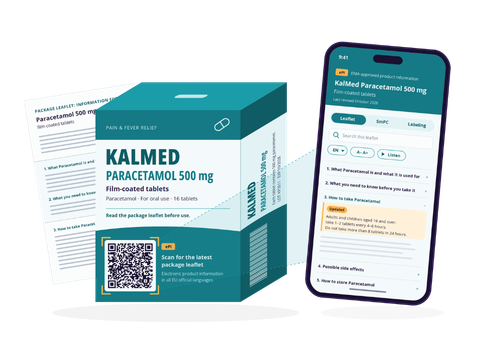
What is ePI?

Authorized information, made digital
Electronic product information (ePI) is the authorized, legally required information for a medicine (the Summary of Product Characteristics, package leaflet and labeling) published in a structured digital format instead of a static PDF or Word file.

Built on one EU standard
ePI follows the EU ePI Common Standard, which is based on HL7 FHIR. Because the content is semi-structured, the same approved text can be searched, translated, enlarged, read aloud and fed into electronic health records.

Introduced under the EU pharma package
The EU pharma package, the biggest reform of EU medicines law in over 20 years, gives ePI a legal footing. It lets Member States decide whether the package leaflet is provided on paper, electronically or both, with a printed copy available to patients on request.

What This Means for Your Business
ePI turns product information from a document you print into data you publish, and every version must match what regulators approved. For pharmaceutical companies, that means the same approved content now has to flow accurately to printed cartons, paper leaflets and a structured ePI record at the same time, in every language and market you sell into.
The risk is a gap between channels. If a safety update reaches the ePI but not the printed leaflet still in the supply chain, or the other way round, you face inconsistent information in front of patients, regulatory findings and potential recalls. Spreadsheets, PDFs and manual copy-and-paste were not built to keep structured digital content and physical artwork in lockstep.

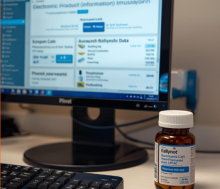
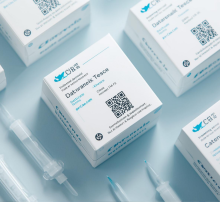

Key Dates & What To Do Next
April 2023 — Pharma package proposed: The European Commission proposed a new Directive and Regulation to replace Directive 2001/83/EC and Regulation 726/2004, including provisions that allow electronic package leaflets.
December 11, 2025 — Political agreement: The European Parliament and Council reached a provisional agreement on the pharma package.
September 28, 2026 — Council adoption: The Council formally adopted the package. European Parliament endorsement and publication in the Official Journal are the final steps; the rules enter into force 20 days after publication.
Future-proof your product labeling strategy
Get clarity on what applies to your products and where your current labeling and data processes may fall short.
Our experts help you build a structured, scalable path to compliance.
FAQs
What does ePI stand for?
ePI stands for electronic product information. It is the authorized product information for a medicine (the Summary of Product Characteristics, package leaflet and labeling) in a structured digital format, so patients and healthcare professionals can access up-to-date information online, often by scanning a QR code on the pack.
Who needs to comply with ePI requirements?
ePI affects marketing authorization holders for human medicines in the EU, along with the regulatory, labeling and artwork teams that create and maintain product information. Centrally authorized products are first in line under the EMA's roadmap, starting with vaccines in Q4 2026, followed by nationally authorized products from 2027.
Contract manufacturers, packaging suppliers and labeling partners will also feel the impact, because printed components must stay consistent with the electronic version.
Will ePI replace paper package leaflets?
Not immediately. In the near term, ePI complements paper leaflets rather than replacing them. The EU pharma package lets each Member State decide whether leaflets are provided on paper, electronically or both, and patients keep the right to request a printed copy.
Industry groups including EFPIA have called for ePI to be phased in before paper is phased out, starting with medicines administered by healthcare professionals. For most companies, that means managing paper and digital product information in parallel for years.
Is a PDF of the leaflet considered ePI?
No. The EMA's key principles state that PDF, Word and other free-text files are not ePI. ePI must follow the EU ePI Common Standard, which is based on HL7 FHIR, so content is semi-structured and machine-readable.
When does ePI become mandatory?
The EMA's ePI rollout for centrally authorized products is voluntary and phased from Q4 2026 to H2 2027. Firm legal obligations will come from the EU pharma package, which generally applies around 24 months after it enters into force. Once a product's information is available electronically, it stays electronic for all later variations.
How does ePI relate to Digital Product Passports and eIFU?
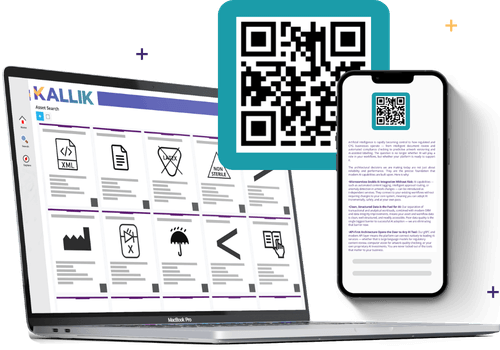
ePI, eIFU for medical devices and Digital Product Passports all reflect the same trend: regulators want product information delivered as structured, accessible data, not just printed text. Each one is linked to the physical pack through a data carrier such as a QR code, which makes accurate, centrally managed product data essential across sectors.
What systems are needed to support ePI?
To support ePI, companies need systems that manage approved content as structured, reusable data, with version control, audit trails and approval workflows. Platforms such as Kallik's Veraciti™ let you control product information at a granular level and generate compliant printed labeling from the same approved source, so changes flow consistently to every output.