
Preparing For the New Packaging and Packaging Waste Regulation (PPWR)
Preparing For the New Packaging and Packaging Waste Regulation (PPWR)
Understand what PPWR means for your packaging, labeling, and compliance strategy and see how Kallik can help you manage PPWR compliance at a granular level, enabling faster updates, reducing errors and maintaining compliance across complex product portfolios and global supply chains.
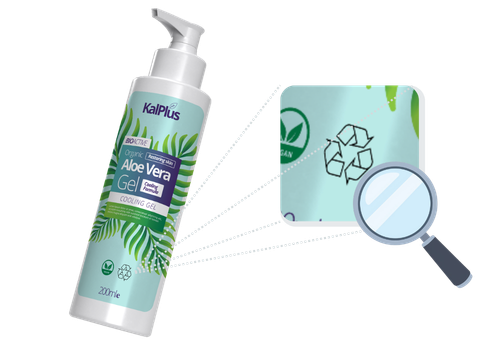
What is PPWR?

The Packaging and Packaging Waste Regulation (EU) 2025/40 replaces the previous directive with a single, enforceable framework covering:
- All packaging materials (plastic, paper, glass, metal, etc.)
- All industries and sectors
- The full packaging lifecycle—from design to disposal

It introduces stricter requirements to ensure packaging is:
- Recyclable at scale
- Minimised in volume and weight
- Free from harmful substances
- Aligned with reuse and refill systems

The goal?
To reduce waste, increase circularity, and create a consistent EU-wide packaging compliance model.
Why PPWR Matters
Why PPWR Matters
Packaging accounts for a significant share of environmental impact:
- ~40% of plastics in the EU are used in packaging
- Packaging represents a major portion of waste generated per person
- Recycling and reuse rates remain inconsistent across member states
PPWR addresses this by enforcing:
- All packaging to be recyclable by 2030
- Increased use of recycled content in plastics
- Reduction of unnecessary or excessive packaging
- Expansion of reuse and refill systems
For businesses, this means compliance is no longer optional - it’s operationally critical.



Key PPWR Requirements You Need to Know
Key PPWR Requirements You Need to Know
Recyclability by design
All packaging must be designed to be recyclable in an economically viable way by 2030. This includes material selection, structural design, and compatibility with EU recycling systems.
Recycled content targets
Plastic packaging must meet minimum recycled content thresholds by 2030 and beyond. This requires accurate data tracking, verified material sourcing, and clear documentation and labeling.
Future-proof your product labeling strategy
Get clarity on what applies to your products and where your current labeling and data processes may fall short.
Our experts help you build a structured, scalable path to compliance.
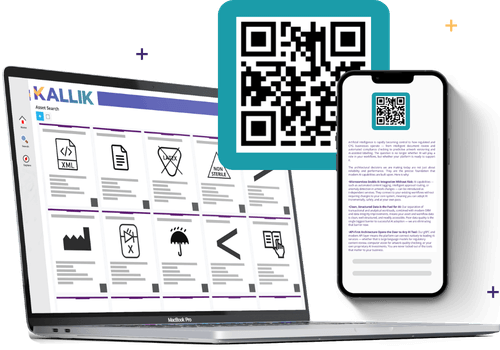
FAQs
Who is impacted by PPWR?
If you place packaged products on the EU market, PPWR applies to you - including:
- Manufacturers
- Brand owners
- Retailers
- Importers and distributors
- E-commerce businesses
In short: if your product has packaging, you are affected.
When does PPWR come into effect?
- February 2025 – Regulation enters into force
- August 2026 – Main requirements begin to apply
- 2030 onwards – Key recyclability and content targets enforced
This phased timeline means businesses must act now to prepare.
How to prepare for PPWR
To stay ahead, organisations should:
- Audit current packaging materials and formats
- Assess recyclability and compliance gaps
- Review labeling and artwork processes
- Implement digital systems for data and compliance management
- Align teams across packaging, regulatory, and supply chain
How can Kallik help me stay compliant with PPWR?
Kallik’s Veraciti platform enables organisations to manage the growing complexity of PPWR by providing:
- Centralised labeling and artwork management
- Automated workflows and approvals
- Real-time compliance updates
- Scalable global data control
Ultimately, this will help you to reduce compliance risk, accelerate time to market, and maintain consistency across all packaging