
EU CLP and Chemical Labeling Compliance Software
EU CLP and Chemical Labeling Compliance Software
Navigate the evolving landscape of EU CLP with confidence. At Kallik, we help chemical manufacturers, distributors, and packaging teams meet Classification, Labelling and Packaging requirements with enterprise artwork and labeling software built for highly regulated industries - so hazard information is accurate, consistent, and audit-ready on every label you release.
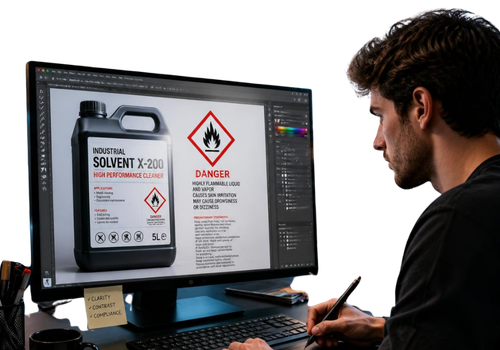
What is the EU CLP Regulation?
What CLP covers:
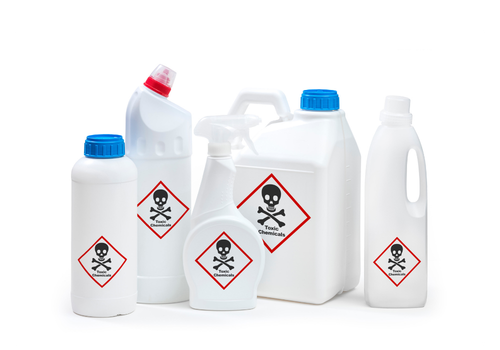
Classification, labeling, and packaging of hazardous substances and mixtures. CLP aligns the EU with the United Nations' Globally Harmonised System (GHS), so hazards are classified and communicated the same way before a product reaches the market.

Where CLP applies:
Across the EU and EEA, to any hazardous substance or mixture placed on the market – regardless of where it was manufactured. Importers into the EU carry the same obligations as EU-based producers.
Who CLP applies to:
- Manufacturers and importers of chemical substances and mixtures
- Downstream users and formulators
- Distributors and retailers
- Packaging and labeling teams responsible for hazard communication
Why CLP Compliance Matters for Labels and Packaging
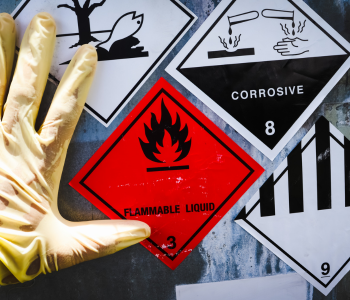
Why CLP Compliance Matters for Labels and Packaging
Failing to meet CLP label requirements can lead to enforcement action, rejected shipments, and costly redesigns. The practical challenge is scale: a single change to a hazard statement, pictogram, or supplier address can affect thousands of SKUs across multiple languages and markets. Managing that in disconnected files and manual checks is where most compliance gaps appear.
How Kallik Helps You Stay Compliant
How Kallik Helps You Stay Compliant
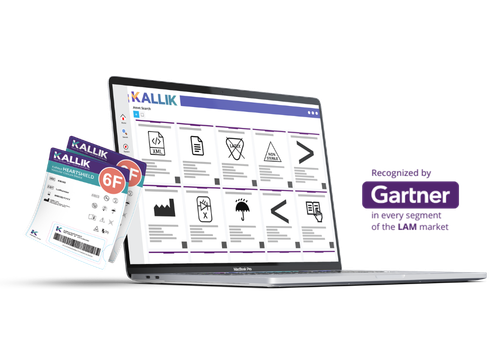
Veraciti™ is Kallik's enterprise artwork and labeling management software, built for organizations operating in highly regulated industries.
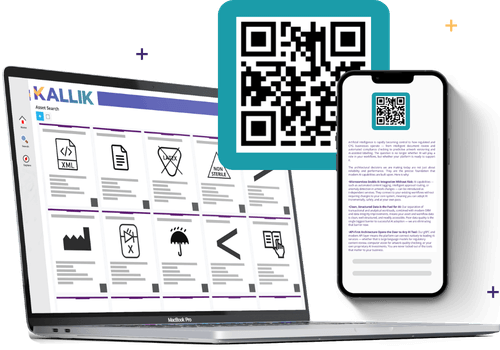
It digitalizes every element of your labels and artwork – text, phrases, pictograms, symbols, warnings, and images – as individual reusable assets held in a single source of truth. Intelligent templates assemble those assets automatically, so approved content is applied consistently across every label, market, and language, with a complete audit trail behind every change.
When a regulation changes, you don't rebuild your label library. You update the affected components once and let the change flow through to every label that uses them.


Latest Updates & Key Dates
Latest Updates & Key Dates
The revised CLP Regulation is being phased in, and the picture is more complicated than a single deadline. Some obligations already apply. Others were pushed back to 2028. A further round of changes is still being negotiated. Here is where things stand.
Already in force
Dec 10, 2024 | Revised CLP Regulation Enters into Force
Regulation (EU) 2024/2865 amends the CLP Regulation, updating classification criteria, labeling requirements, and hazard communication rules across 36 articles and four annexes.
Future-proof your product labeling strategy
Get clarity on what applies to your products and where your current labeling and data processes may fall short.
Our experts help you build a structured, scalable path to compliance.
FAQs
What is the purpose of the CLP Regulation?
It ensures hazardous chemicals are classified and labeled consistently across the EU so workers, consumers and emergency responders understand the risks before handling or use.
How do I manage CLP label changes across thousands of SKUs?
Manual, file-based processes make large-scale relabeling slow and error-prone. A component-based labeling system lets you change a hazard statement or supplier address at source and propagate it automatically to every label that uses it, with version control and approval records maintained throughout – which is what makes phased deadlines like the 2026 and 2028 CLP tranches manageable.
Who must comply with CLP?
Anyone placing chemical substances or mixtures on the EU market, including manufacturers, importers, downstream users and distributors.
What software can help with EU CLP compliance?
Enterprise artwork and labeling management software such as Kallik's Veraciti helps chemical manufacturers meet CLP requirements by storing every label element – hazard statements, pictograms, signal words, UFI codes, supplier details – as a controlled, reusable asset. Templates apply those elements consistently across every SKU and language, and when classification rules or label content change, the update is made once and applied across the affected portfolio with a full audit trail.
Are CLP labels required for online sales?
Yes. The updated regulation includes requirements for displaying full CLP label elements in online and distance sales channels. However, the enforcement date was shifted to 1 January 2028 under recent EU Council decisions.
What happens if I don’t comply with CLP?
Non-compliance can lead to product recalls, blocked shipments, fines and damage to brand reputation.
How does CLP connect to other EU chemical laws?
CLP works alongside REACH and other EU chemical safety legislation to manage risks from hazardous chemicals throughout their lifecycle.